

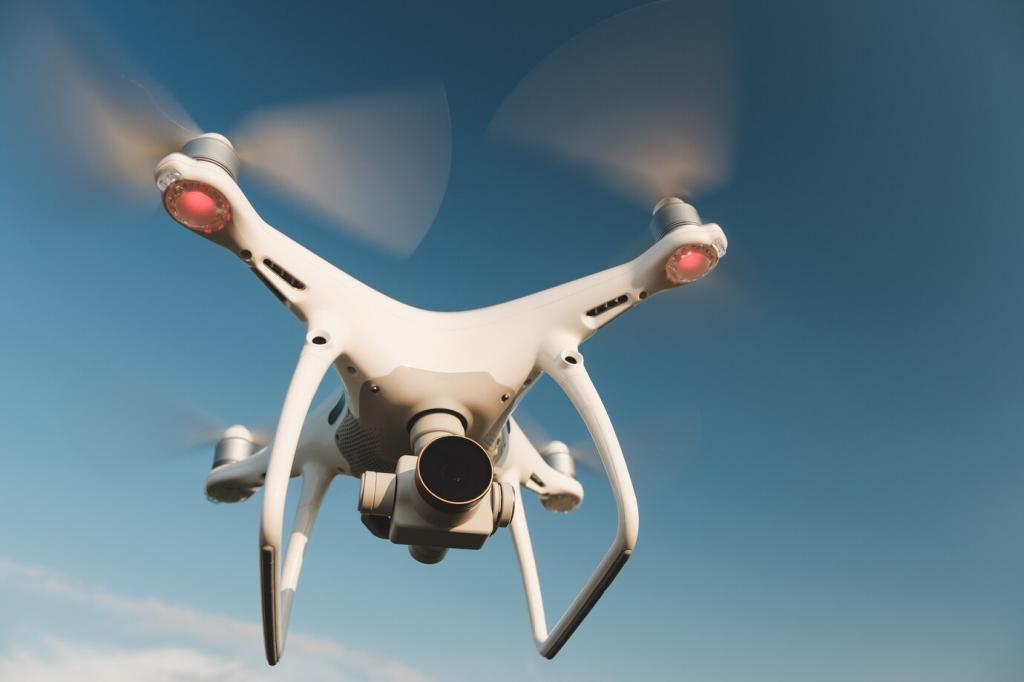
Cutting-Edge Drone Technology: Trends and Breakthroughs

Today’s chosen theme is “Cutting-Edge Drone Technology: Trends and Breakthroughs.” Explore how autonomy, sensors, power systems, and safety frameworks are reshaping aerial innovation. Read, comment with your questions, and subscribe if this world of next‑generation drones sparks your curiosity.

Real-Time Perception at the Edge

Onboard vision transformers, depth cameras, and 4D radar now fuse data to recognize obstacles, power lines, and people in milliseconds. Edge computing enables mapping and tracking without cloud delays, so drones react to sudden gusts, shifting shadows, and complex terrain while keeping flight smooth and decisions trustworthy. Share your toughest environments; we’ll test them next.

Safer Decisions Through Transparent Autonomy

Explainable autonomy translates sensor inputs into understandable actions, logging why a route changed or a hover initiated. Geofencing, health monitoring, and simulated rehearsals reduce surprises when weather turns or GPS drifts. These capabilities aren’t about replacing pilots, but partnering with them to reduce cognitive load. Tell us where autonomy most helps your missions today.

Tiny Supercomputers in the Sky

New flight computers combine GPUs, neural accelerators, and redundant controllers on lightweight boards. They run object detection, semantic segmentation, and predictive control simultaneously, all while conserving power. The result is more stable flight in wind, better tracking of moving subjects, and faster learning loops from flight logs. Want a deep dive on edge AI benchmarks? Subscribe and vote.

Power and Propulsion Breakthroughs

Silicon-rich anodes, improved separators, and intelligent battery management are pushing flight times higher without adding bulk. High C‑rate charging and dock-based battery swaps keep fleets cycling with minimal downtime. One utility team reported finishing a full inspection loop before lunch after adopting high-throughput charging. How long is long enough for your missions? Tell us.
Lightweight fuel cells are enabling multi-hour flights for mapping pipelines, coastlines, and disaster zones. With quick refueling and stable power output, teams can cover more kilometers per sortie and bring heavier sensors. Pilots praise the quiet hum and predictable voltage curves. Curious about practical maintenance, storage, and safety routines? We can compile a field guide if you ask.
Hybrid systems blend battery bursts with efficient cruise power, while solar films trickle-charge during loiter or transit. A survey crew in a desert valley told us a thin solar layer added just enough runtime to finish a critical pass before sunset. Small gains compound over fleets and months. Would you test solar in your climate? Comment with your latitude.

Algorithms That Orchestrate Many

Consensus protocols, mesh networking, and time-synchronized planning let drones share obstacles, assign waypoints, and deconflict routes on the fly. Instead of one pilot juggling flights, the swarm negotiates who scans, who relays, and who monitors weather. This collaboration boosts coverage and resilience. Should we host a live swarm demo stream? Tap subscribe to be notified.

Search-and-Rescue, Multiplied

During a wildfire training exercise, micro-drones fanned out, stitching thermal maps into a live mosaic for incident command. When wind shifted, the swarm re-tasked units to watch new hot spots while others guided ground teams safely. Coordinated autonomy meant faster information and fewer risky manned overflights. Would your team benefit from ready-to-fly swarm playbooks?

Ethics, Privacy, and Guardrails

Swarm tech grows responsibility alongside capability. Clear data handling, purpose limitation, and strict separation buffers protect privacy and safety. Transparent policies and opt-in community engagement build trust where drones operate. Tell us which guidelines your organization follows and what you want standardized globally so we can spotlight best practices readers can adopt.

Sensors and Intelligent Mapping

High-density LiDAR produces crisp structural models, while 4D radar pierces fog, dust, and drizzle to track motion over time. Together they strengthen SLAM, detect thin wires, and keep altitudes precise near cliffs or towers. Teams now build accurate digital twins in conditions that previously forced delays. Want comparative point cloud samples? Request them in the comments.

Safety, Traffic Management, and BVLOS

Remote ID frameworks and emerging UTM services let authorities and operators identify drones, plan routes, and manage airspace dynamically. Standardized data exchanges reduce surprises when multiple missions converge. Communities gain clarity about who is flying and why. What questions do your neighbors ask most often? Share them; we’ll build a public-friendly explainer.

Safety, Traffic Management, and BVLOS

Optical, acoustic, and compact radar sensors now team up with predictive models to maintain separation from aircraft and obstacles. Cooperative signals help when available, but non-cooperative detection remains crucial near busy corridors. Layered alerting gives pilots time to intervene if needed. Interested in a breakdown of sensing ranges versus airframe size? Let us know.

Applications That Matter Now

Autonomous waypointing and precision hover allow detailed scans of bridges, towers, and rooftops without putting crews at height. High-fidelity models expose hairline cracks and corrosion before failures develop. A small city avoided costly closures after targeted repairs from drone data. What structures are on your watchlist this season? Tell us and we’ll suggest sensor pairings.

Applications That Matter Now

Live orthomosaics, thermal overlays, and air-to-ground radios give responders a shared picture of unfolding events. During a flood, a responder told us the situational map updated so quickly that crews rerouted around rising water within minutes. Technology saved time, and time protected lives. Want a checklist for rapid-deploy kits? Ask, and we’ll publish one.

Applications That Matter Now

Precision winch drops, quieter props, and geofenced landing zones are making deliveries more reliable and neighbor-friendly. Healthcare pilots now shuttle samples quickly between clinics, reducing turnaround for critical tests. Communities warm to drones when benefits are clear and noise is low. Which use case would win support where you live? Share your perspective below.

Design, Materials, and Modular Thinking

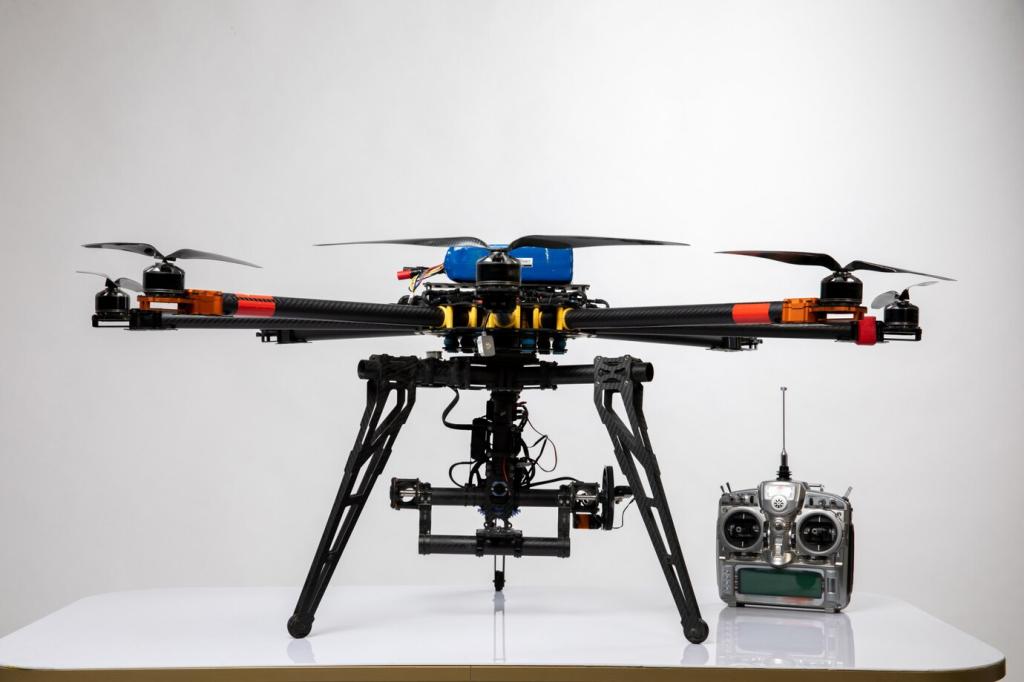
Carbon fiber, thermoplastic composites, and 3D-printed lattice cores deliver stiffness without excess mass, improving flight efficiency and crash resilience. Repairable arms and sacrificial mounts reduce downtime after rough landings. Designers now iterate quickly with digital twins and rapid prototyping. Want a behind-the-scenes look at an airframe iteration sprint? Subscribe for our upcoming case study.

Design, Materials, and Modular Thinking

Trailing-edge serrations and owl-inspired prop geometries diffuse vortices to cut noise while maintaining thrust. Careful motor tuning minimizes tonal peaks that neighbors notice most. Field trials show better acceptance for routine flights near homes and parks. Should we measure noise profiles across prop sizes and publish a chart? Tell us which diameters you fly.

Community, Skills, and What’s Next

Open-source flight stacks, interoperable protocols, and transparent safety checklists help the whole ecosystem improve. Contributors spot edge cases, document fixes, and lift reliability for everyone. If you rely on a project, consider sharing logs or feedback. Which repositories should we profile next? Drop links, and we’ll interview maintainers for the community.

Community, Skills, and What’s Next

Modern simulators model wind shear, sensor noise, and link latency so pilots and engineers can iterate safely before first flight. Teams practice emergencies, refine autonomy, and export mission plans with confidence. Simulation hours translate into smoother field days. Want a starter scenario pack for BVLOS training nights? Say the word and we’ll assemble one.
Sourpunks
Privacy Overview

This website uses cookies so that we can provide you with the best user experience possible. Cookie information is stored in your browser and performs functions such as recognising you when you return to our website and helping our team to understand which sections of the website you find most interesting and useful.