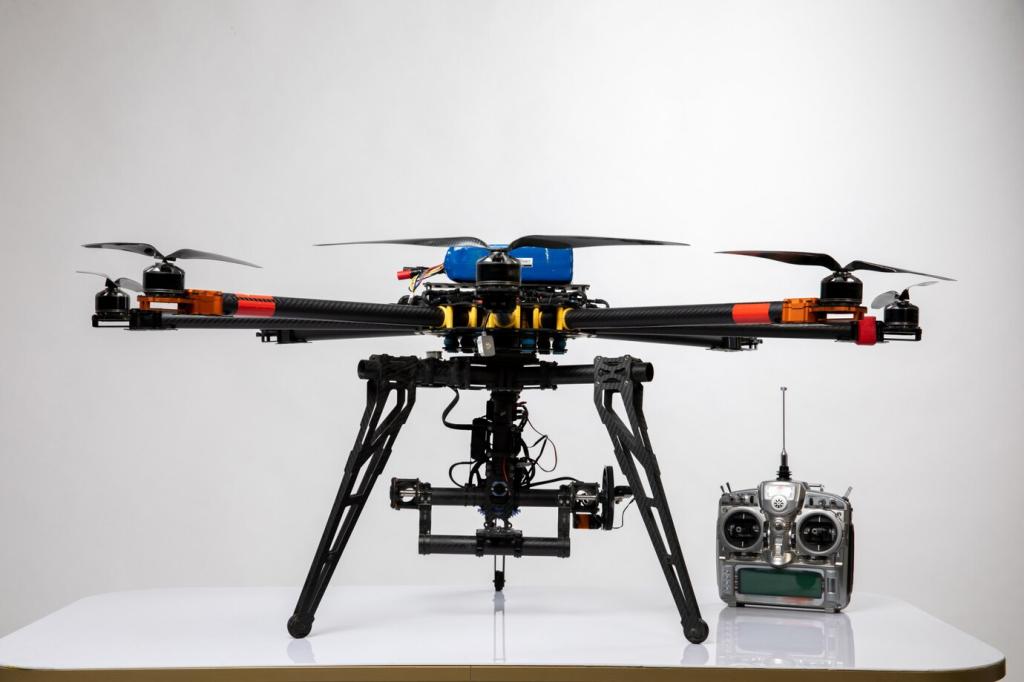
Frontier Horizons: Pioneering Advances in Drone Engineering

Chosen theme: Pioneering Advances in Drone Engineering. Step into a future where airborne robots learn, adapt, and endure. From radical propulsion to resilient autonomy, explore breakthroughs reshaping flight—and join our community to discuss, question, and shape what flies next.

Reinventing Propulsion: From Tilt-Rotor to Hydrogen-Electric

By spreading many small motors along the wing, distributed electric propulsion smooths airflow, cuts noise, and improves redundancy. During a coastal mapping pilot, a DEP testbed completed safe operations after a motor failure, gracefully reconfiguring thrust. Would you trust similar redundancy for urban deliveries?

Reinventing Propulsion: From Tilt-Rotor to Hydrogen-Electric

Hydrogen-electric stacks promise hours of endurance with quick refueling and lower emissions. A utility inspection team recently crossed a mountain valley completing a continuous 3-hour loop, swapping only a lightweight cylinder. Curious about safety protocols and infrastructure? Tell us what would convince you to adopt hydrogen.
Event Cameras and SLAM at High Speed

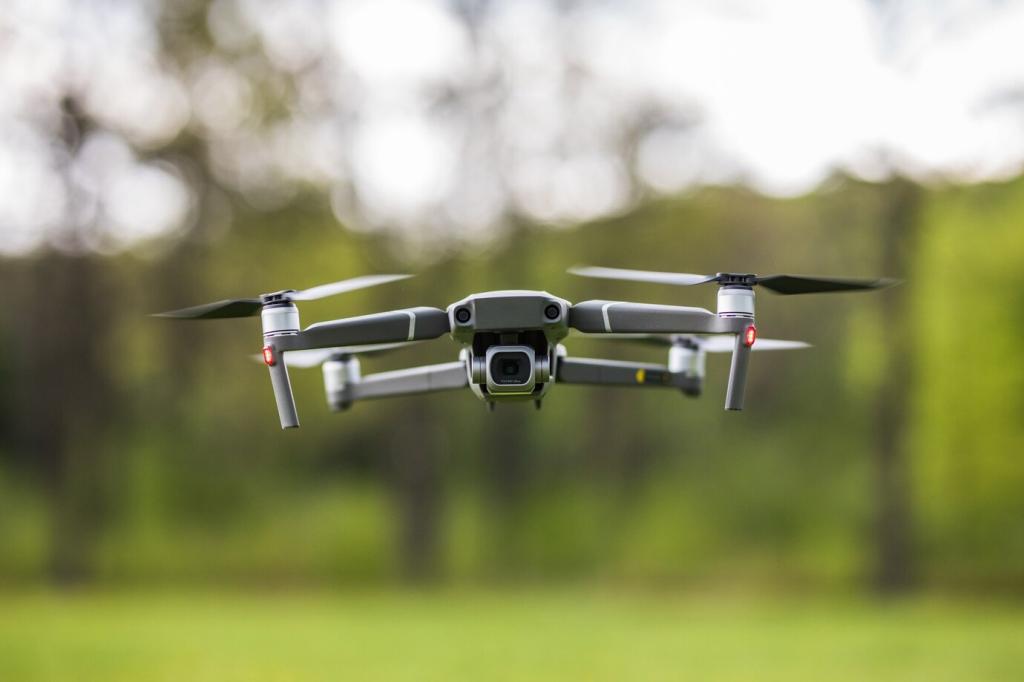
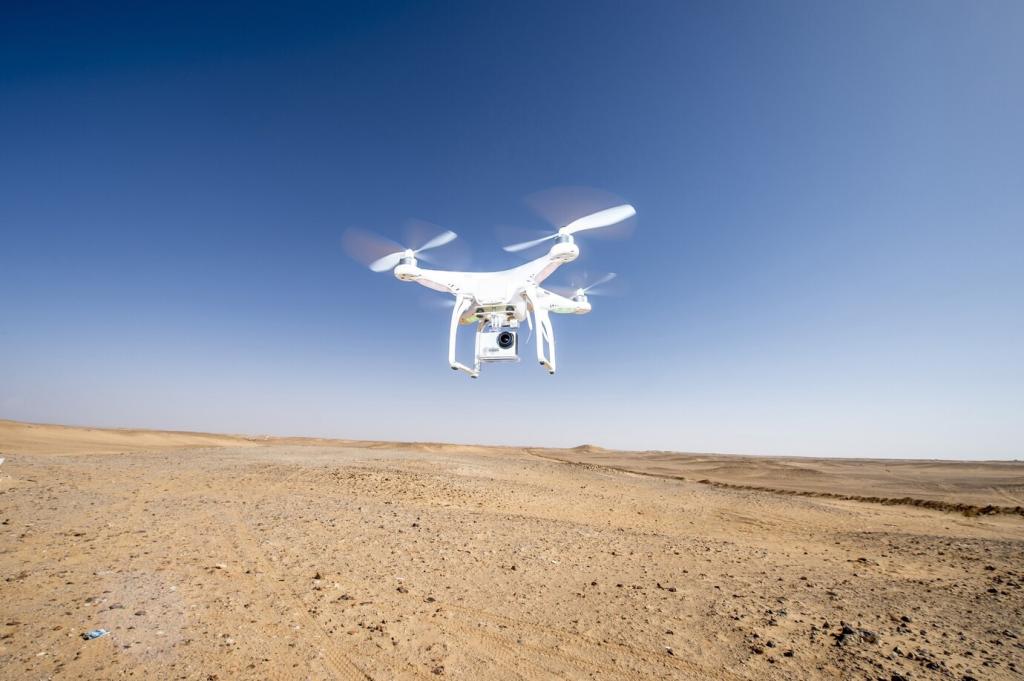
Event-based sensors capture microsecond brightness changes, enabling rapid obstacle detection with low latency. Paired with robust SLAM, a racing quad navigated a forest trial at 18 m/s, keeping drift under 1%. What trade-offs would you accept between speed, power consumption, and mapping fidelity?

Reinforcement Learning from Simulation to Reality

Policy networks trained in high-fidelity simulators transfer skills to real platforms when grounded in accurate aerodynamics and sensor noise. One RL controller learned gust rejection, later stabilizing a prototype in sudden crosswinds. Would you pilot with an RL co-operator? Share scenarios you’d want validated first.

Fail-Operational Autonomy and Health Monitoring

A layered autonomy stack can detect sensor drift, isolate faults, and gracefully degrade capabilities. In field tests, redundancy kept navigation stable after GPS loss and lidar occlusion. How should flight software explain its decisions to earn your trust—through alerts, logs, or concise status narratives?

Resilient Mesh and 5G Sidelink Connectivity

Adaptive mesh networks reroute traffic around drops, while 5G sidelink boosts range and throughput when infrastructure is sparse. A wildfire team maintained video across ridgelines by hopping data through airborne relays. What’s your minimum acceptable latency for coordinated maneuvers under real-world constraints?

Bio-Inspired Task Allocation at Scale

Borrowing from honeybees, drones use simple local rules to distribute tasks like surveying, charging, or relaying. In a harbor cleanup, agents autonomously prioritized debris hotspots, balancing battery levels and coverage. Would you trust emergent behavior, or prefer a human-led allocation dashboard? Tell us why.

From Light Shows to Life-Saving Searches

Choreographed formations demonstrate precise synchronization, but the same algorithms guide swarms through disaster zones. After a landslide, a dozen drones split terrain, linked thermal cues, and flagged heat signatures to rescuers. What safeguards would you add to prevent interference with helicopters or ground teams?
Unlike thermosets, thermoplastic composites can be welded and reprocessed, enabling faster assembly and easier recycling. A logistics drone swapped bolted joints for welded seams, trimming mass and maintenance time. How do you balance crashworthiness with end-of-life responsibility in your airframe choices?

Airframes and Materials: Lighter, Tougher, Smarter

Generative algorithms remove non-critical material, yielding organic lattice structures that resist buckling. A 3D-printed motor mount survived vibration tests with a 28% mass reduction. If additive gives freedom, what certification evidence—coupon tests, coupons plus subcomponents, or full assemblies—would satisfy your compliance team?

Airframes and Materials: Lighter, Tougher, Smarter

Power and Endurance: Sunlight, Hybrid Systems, and Smart Batteries

Flexible tandem cells bonded to slender wings deliver trickle power aloft, extending loiter without heavy packs. A high-altitude prototype added 22% endurance on clear days. Would weather-dependent boosts fit your mission planning, or do you require guaranteed runtime margins regardless of sunlight?
Sourpunks
Privacy Overview

This website uses cookies so that we can provide you with the best user experience possible. Cookie information is stored in your browser and performs functions such as recognising you when you return to our website and helping our team to understand which sections of the website you find most interesting and useful.